


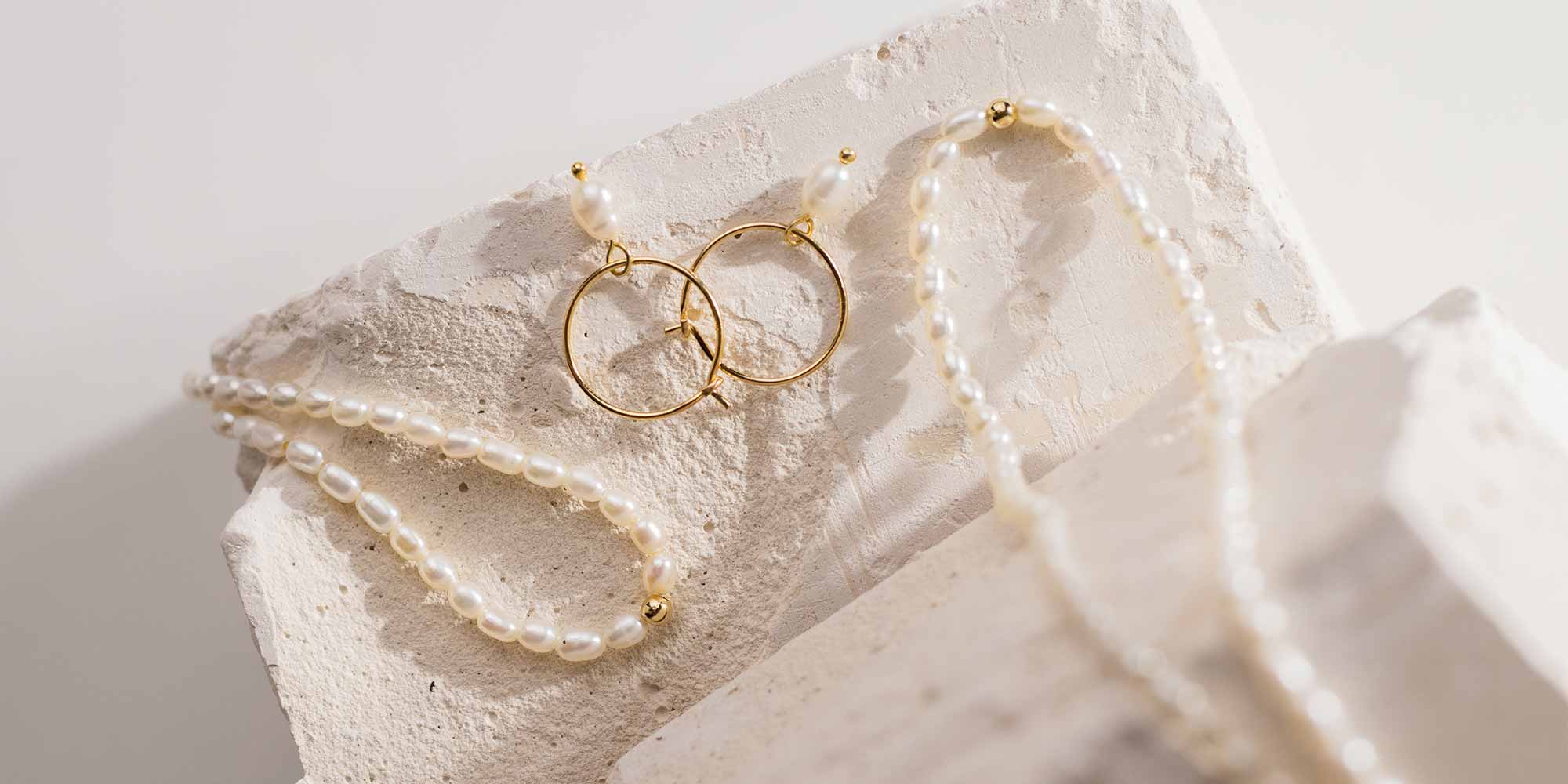
Recognizing real pearls – what really matters
Pearls are among the most timeless jewelry materials. Their natural beauty, soft luster, and irregularity make them unique. At the same time, this very characteristic leads many to wonder how to distinguish real pearls from imitations. Anyone investing in pearl jewelry or who already owns a pearl necklace wants to be sure they are wearing a genuine natural product.
The most important points in brief
Genuine pearls can be identified by several characteristics: They possess a soft, deep luster, feel cool and slightly rough, and are never perfectly identical. Small irregularities in shape and surface are not flaws, but rather a sign of their natural state. Especially with pearl necklaces, it's worth taking a close look at uniformity, drill holes, and workmanship.
Tests like the lighter test are not recommended, as they can damage pearls. Instead, it's advisable to pay attention to visible characteristics or, if unsure, have pearls professionally examined. Freshwater pearls are also genuine natural pearls and differ primarily in their variety of shapes.
Real pearls don't flake off – visible damage or peeling layers usually indicate imitations. Those who can recognize real pearls learn to appreciate one thing above all: their naturalness, their subtle differences, and their timeless beauty.
Real pearls form over years inside mussels or oysters and are the result of a natural process. In contrast, artificial pearls are industrially manufactured and often only have a coating. Recognizing real pearls therefore means paying attention to fine details – surface, weight, feel, and light reflection.
In this article, we show how to recognize genuine pearls, which tests are useful, where caution is advised, and when it is recommended to have pearls professionally tested.
Identifying genuine pearls – the most important characteristics at a glance
To identify genuine pearls, one shouldn't rely on a single characteristic. Rather, it's the interplay of various properties that provides the answer. Genuine pearls usually possess small irregularities that become visible upon closer inspection. No two pearls are exactly alike – neither in shape nor surface.
A key characteristic is the luster. In genuine pearls, it appears soft, deep, and vibrant. The light seems not only to lie on the surface but to emanate from within the pearl itself. In contrast, artificial pearls often have a very uniform and reflective luster, which can quickly look artificial.
Weight can also be a clue. Genuine pearls often feel heavier in the hand than they appear. Their surface is also slightly cool and warms up slowly, while imitations often heat up more quickly.
How can you recognize a genuine pearl necklace?
Pearl necklaces, in particular, warrant a close look, as they consist of many individual beads and therefore offer more clues to their authenticity. A primary indicator is the uniformity of the pearls. With genuine pearls, minimal variations in size, shape, and surface texture are perfectly normal and even considered a sign of quality. If all the pearls appear exactly identical, this could be an indication of machine-made imitations.
Luster also plays a key role in pearl necklaces. Genuine pearls possess a vibrant luster that has depth and changes depending on the angle of the light. The shine appears soft and natural, not reflective or artificial. Especially when the pearl is in motion, it becomes apparent whether the light seems to emanate from it – a typical characteristic of genuine pearls.
Another important point is the drill holes. On high-quality pearl necklaces, these are clean, smooth, and precisely drilled. The surface around the hole remains even and shows no chips or cracks. On imitation pearls, the coating in these areas can be uneven or may peel off over time.
The thread also provides clues to quality and authenticity. High-quality pearl necklaces are often knotted between each individual pearl. These knots prevent the pearls from rubbing against each other, protect their surface, and ensure that the entire necklace isn't lost if the thread breaks. This technique also demonstrates skilled craftsmanship and meticulous attention to detail.
Last but not least, it's worth considering the overall feel of the necklace. Genuine pearl necklaces often have a pleasant weight, feel cool to the touch, and warm up slowly on the skin. Taken together, these characteristics create a harmonious overall impression that is difficult to artificially replicate.

Can real pearls flake off?
The clear answer is: no, at least not in the traditional sense. Real pearls consist of layers of nacre that grow from the inside out. They do not have a lacquer coating that could flake off.
However, wear and tear can occur due to improper care. Chemicals, perfume, or frequent rubbing can diminish the shine over time. Peeling layers or visible undercoating are a clear sign of imitations or inferior finishes.
Can you identify real pearls with a lighter?
The so-called lighter test, in which pearls are briefly exposed to a flame, comes up again and again. This test is generally not recommended. Although real pearls are more heat-resistant than plastic pearls, heat can still damage both real and fake pearls.
A lighter test can destroy the shine, discolor the surface, or cause long-term damage. Reputable jewelry experts therefore recommend using gentler methods or having the jewelry professionally inspected.
How do I recognize Akoya pearls? – Special characteristics
Anyone wanting to recognize an Akoya pearl should know that these pearls are known for their exceptionally fine luster. Akoya pearls come from saltwater oysters and are characterized by a very uniform shape, a smooth surface, and a clear, almost mirror-like luster.
Despite their relatively uniform appearance, Akoya pearls also possess natural characteristics. Small growth rings or minimal irregularities are normal. Their luster is clear and deep, never dull or flat. Especially with high-quality Akoya pearls, the quality is primarily revealed in their play of light.
Are my freshwater pearls real?
A common question is whether freshwater pearls are real. The answer is a clear yes. Freshwater pearls form in mussels, mostly in lakes or rivers, and are genuine natural pearls. They differ from saltwater pearls primarily in their variety of shapes and their often somewhat softer luster.
Freshwater pearls are particularly popular because they offer a wide range of shapes and sizes. Here too, small irregularities are not a flaw, but a sign of their naturalness. Their price is often more accessible without sacrificing authenticity.
Why real pearls are never completely perfect
An important point when it comes to recognizing genuine pearls is understanding their natural state. Perfection is not a sign of quality, but often an indication of industrial production. Real pearls grow layer by layer and react to their environment. Temperature, water quality, and growth duration all leave their mark.
These subtle differences make each pearl unique. Especially when several pearls are combined, a vibrant overall effect is created that is almost impossible to replicate with artificial materials.

When should pearls be tested?
If there is any uncertainty, or if the piece of jewelry is valuable, it is advisable to have the pearls tested. Jewelers or gemological institutes can use professional methods to determine whether they are genuine pearls and, if so, what type.
A professional examination is particularly worthwhile for heirlooms, older pearl necklaces, or jewelry without proof of origin. This not only provides clarity about authenticity but often also about value and care recommendations.
Pearl care is the key to longevity
Genuine pearls are more delicate than many other jewelry materials. They should be protected from chemicals, stored separately, and gently cleaned regularly. Pearls benefit from being worn, as natural skin moisture helps maintain their luster.
Those who consciously care for their pearls not only preserve their beauty, but also their intrinsic value for many years.
Conclusion: Recognizing real pearls means understanding naturalness.
Recognizing genuine pearls requires attention, knowledge, and a keen eye for detail. Luster, surface texture, weight, and minor irregularities reveal much about their origin. Instead of relying on risky tests, a discerning eye is worthwhile, and if in doubt, a professional appraisal is recommended.
Pearls are not a perfect product – and that's precisely what makes them so appealing. Their naturalness, their depth, and their timeless elegance make them pieces of jewelry that can last for generations.

Read more
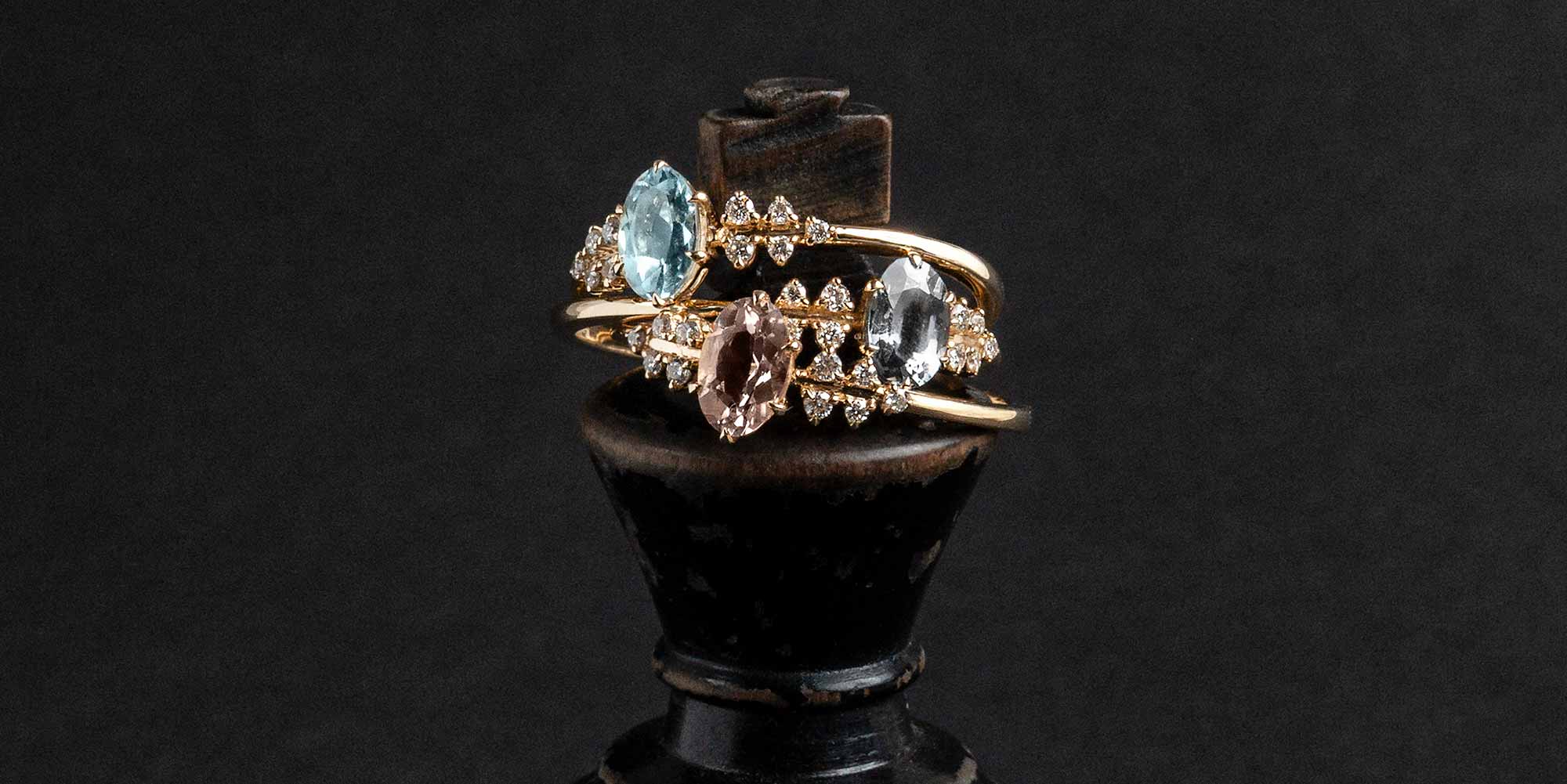
What color should engagement rings be?
The engagement ring is far more than just a piece of jewelry – it symbolizes love, commitment, and the shared journey of two people. But one of the first questions many couples ask themselves is: W...
Read more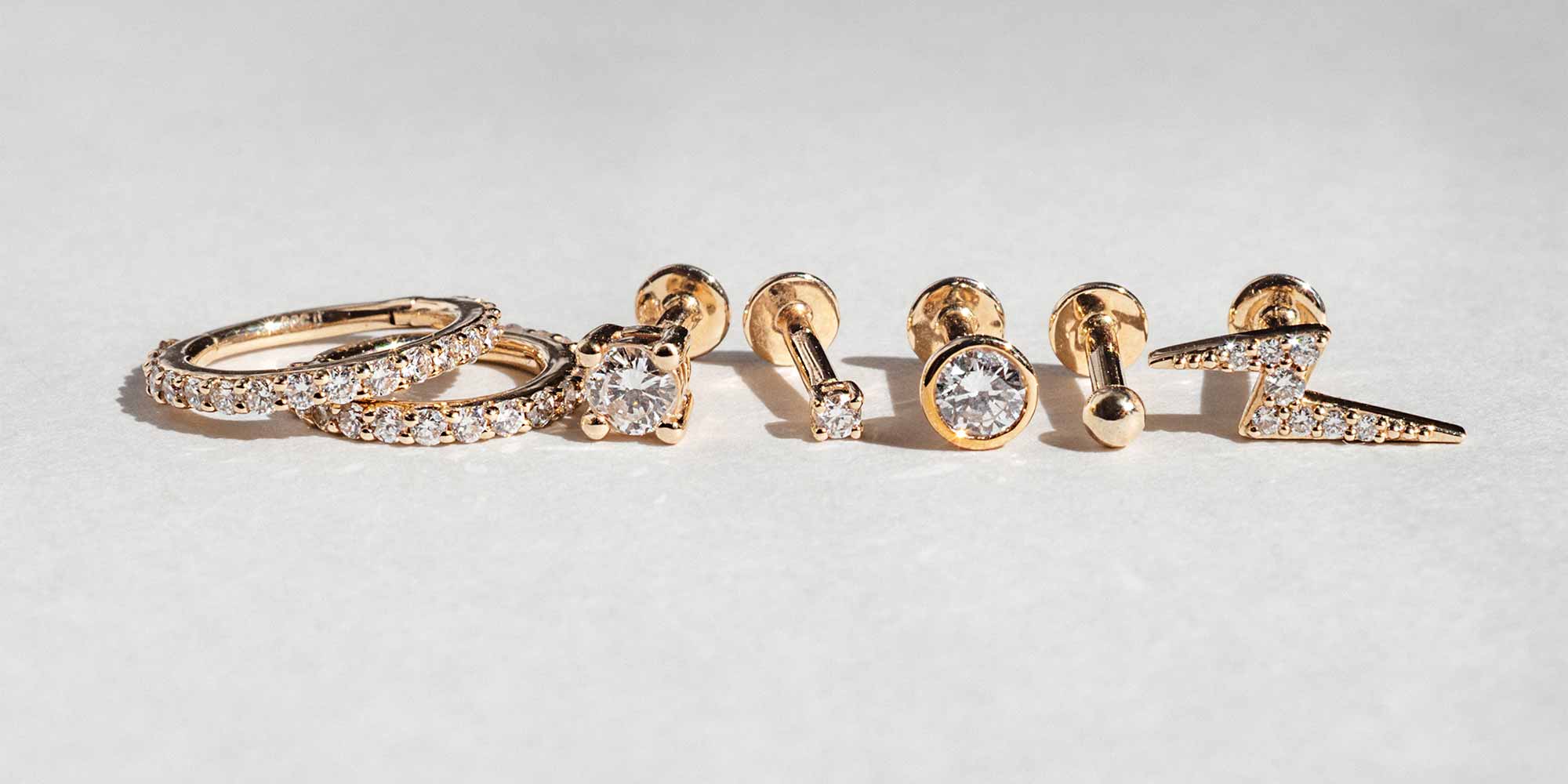
Helix Inflamed? Everything You Need to Know
You just got your new piercing and now your helix is inflamed? Instead of a clean look and elegant statement, are you experiencing redness, pressure, or an uncomfortable throbbing? That's annoying,...
Read more